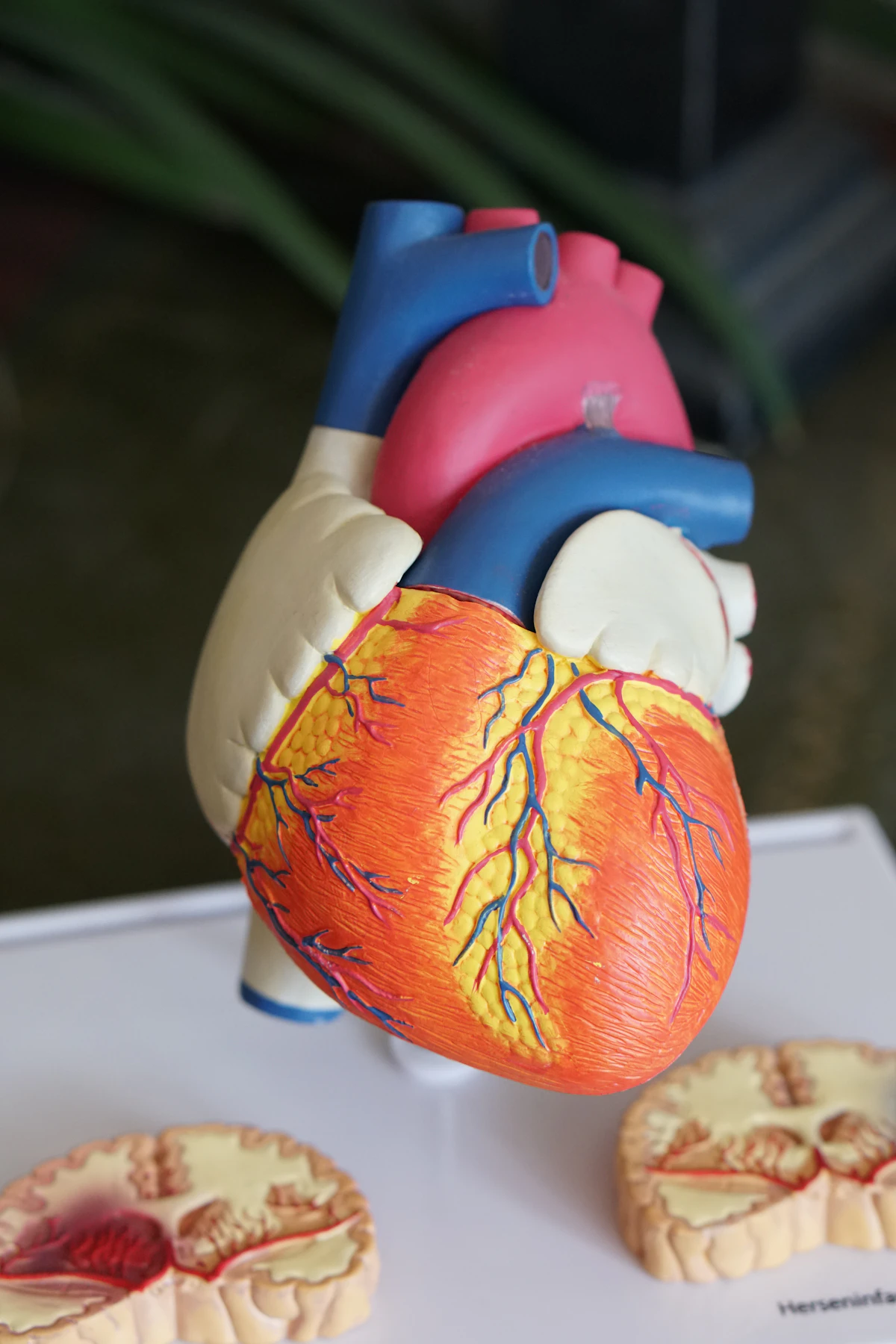
3D bioprinting of biological tissues and organs represents one of the most ambitious frontiers in regenerative medicine. Chronic organ transplant shortages and the limitations of animal models for predicting human drug response have driven this technology's development. In 2026, bioprinting of vascular, cartilaginous, and corneal tissues has reached clinical application, while full organ bioprinting remains a medium-term aspiration.
Bioprinting fundamentals
3D bioprinting adapts layer-by-layer additive manufacturing to biological materials. The three main techniques are extrusion bioprinting (most versatile, 100-500 micron resolution), inkjet bioprinting (higher resolution, 25-50 microns, lower cell damage), and stereolithography/DLP (highest resolution, ~1 micron, photopolymerization of GelMA-based bioinks). The ideal bioink combines high biocompatibility, appropriate mechanical properties for the target tissue, and physiological gelification capability.
Clinical advances in 2026: skin, cartilage, and cornea
Avascular or simply vascularized tissues have been the first to reach clinical application:
- Bioprinted skin: phase II trials in third-degree burns with autologous keratinocyte/fibroblast bioprinted skin reduce wound closure time by 40% and produce less scarring than conventional grafts.
- Hyaline cartilage: IBEC (Barcelona) completed the first human transplantation of bioprinted articular cartilage in patients with focal knee lesions (BIOARTRO trial, n=12). At 18 months, 75% showed complete histological integration and KOOS improvement >20 points.
- Bioprinted cornea: Newcastle and Precise Bio have completed the first human implantation of bioprinted stromal corneas with limbal stem cells. Five phase I patients maintain corneal transparency at 12 months.
The vascularization challenge
The greatest obstacle to bioprinting complex organs is vascularization. Any tissue more than 200 microns thick requires a capillary network. Current strategies include sacrificial channels (dissolved after bioink gelification), endothelial cell lining of channels, and FRESH (Freeform Reversible Embedding of Suspended Hydrogels), which has allowed scale bioprinting of hearts with complete chamber anatomy.
Organs-on-chips: the nearest application
In 2026, liver-on-chip, intestine-on-chip, and heart-on-chip systems are being used by pharmaceutical companies for preclinical drug toxicity screening, partially replacing animal models. The FDA has granted "non-animal method" designation to several organ-on-a-chip systems, with regulatory incentives for their use in drug approval formalized in the FDA Modernization Act 2.0 (2022).


